Traditional Batik Style: A Timeless Design for Modern Applications
Traditional Batik Style is more than just a visual aesthetic—it’s a cultural heritage that has evolved into a powerful tool for creative and commercial expression. With its intricate patterns, rich symbolism, and vibrant colors, this design approach offers unique value across multiple industries, from textile manufacturing to digital marketing. Understanding how to strategically apply Traditional Batik Style can enhance branding, communication, and customer engagement in meaningful ways.
For professionals and entrepreneurs, leveraging Traditional Batik Style requires a thoughtful approach. It’s not merely about aesthetics; it’s about aligning design choices with broader goals such as brand identity, audience connection, and long-term value. Whether you're creating fabric patterns, invitation templates, or digital assets, the right application of this style can make a significant difference.
What Is Traditional Batik Style?
Traditional Batik Style originates from Indonesia, where it has been practiced for centuries. The technique involves applying wax to fabric before dyeing, creating complex patterns that reflect regional cultures and storytelling traditions. Over time, these designs have become iconic symbols of craftsmanship and artistry.
Today, the essence of traditional batik is often translated into digital formats like Adobe Illustrator (AI), Encapsulated PostScript (EPS), JPEG, and PNG. These files allow designers to recreate the beauty of batik patterns while maintaining flexibility for modern use cases. From textiles to invitations, the adaptability of this style makes it ideal for diverse applications.
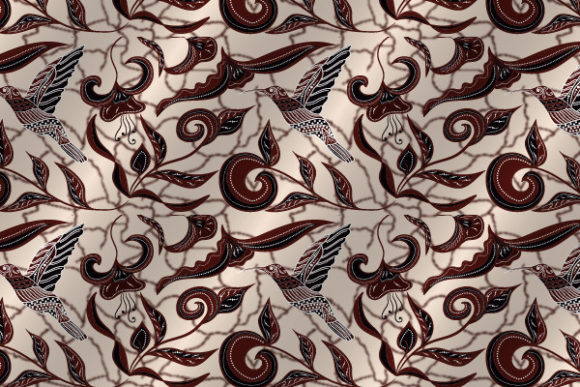
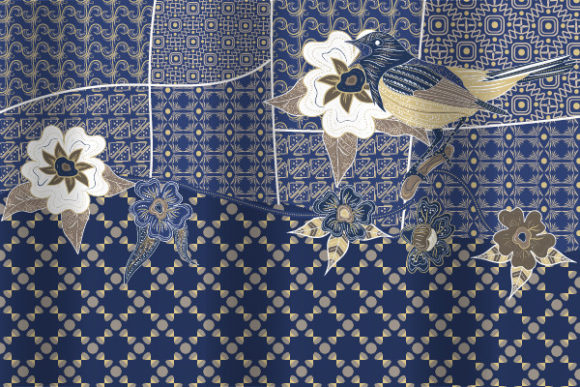
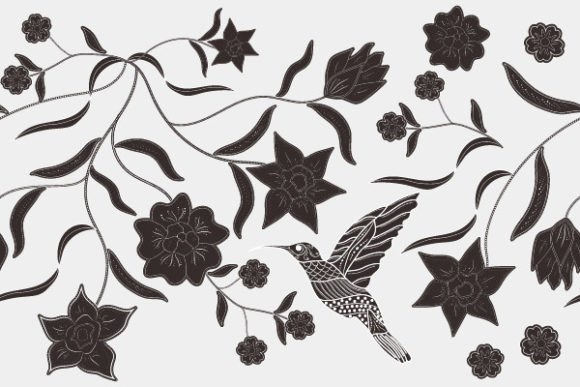
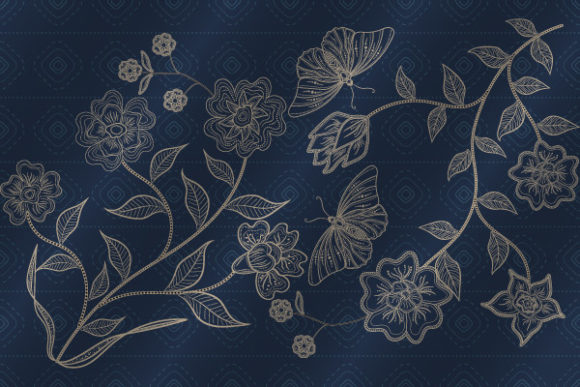
The key elements of Traditional Batik Style include detailed motifs, layered textures, and a palette of bold, natural hues. These characteristics are not just visually appealing—they also carry cultural significance that can be leveraged for deeper audience engagement.
Strategic Use of Traditional Batik Style
When used intentionally, Traditional Batik Style can support a range of strategic objectives. For instance, in branding, it can help establish a unique identity that resonates with specific audiences. In marketing, it can differentiate products and create memorable visual experiences.
Consider how Traditional Batik Style might align with your business goals. If you’re targeting a market that values authenticity and tradition, integrating these designs can reinforce trust and emotional connection. However, it’s important to ensure that the style complements your overall message rather than overshadowing it.
For example, a small business selling handmade textiles could use Traditional Batik Style to highlight the craftsmanship behind their products. Similarly, a wedding planner might incorporate batik-inspired designs into invitation templates to add a touch of cultural elegance and sophistication.
When and How to Apply Traditional Batik Style
Determining when to use Traditional Batik Style depends on your target audience and the purpose of your project. It works well in scenarios where visual storytelling, cultural relevance, or artistic flair is important. This includes product packaging, promotional materials, and even interior design elements.
Before implementing this style, consider the following factors:
- Cultural Context: Ensure the design respects its origins and avoids appropriation or misrepresentation.
- Brand Alignment: Assess whether the style fits your brand’s voice, values, and visual language.
- Technical Feasibility: Choose file formats like AI, EPS, JPEG, or PNG that suit your production needs and platform requirements.
- Audience Preferences: Research what your audience finds appealing and relevant to their tastes.
By taking these considerations into account, you can avoid superficial use of the style and instead create meaningful, intentional designs.
Practical Examples and Use Cases
Traditional Batik Style is highly versatile, making it suitable for a wide range of applications. Here are a few examples of how it can be applied effectively:
- Fabric Patterns: Textile designers can use batik-inspired motifs to create unique fabrics for clothing, home décor, and accessories. The intricate details add visual interest and elevate the perceived value of the product.
- Invitation Templates: For events like weddings, festivals, or cultural celebrations, batik-style invitations can convey a sense of tradition and elegance. They provide a striking alternative to standard designs while maintaining a personal touch.
- Digital Marketing Materials: Social media posts, banners, and email templates featuring batik elements can capture attention and stand out in crowded digital spaces. The vibrant colors and patterns make them ideal for eye-catching campaigns.
- Art and Illustration: Artists and illustrators can integrate batik-style elements into their work to add depth, texture, and cultural nuance. This can enhance the storytelling aspect of their projects.
Each of these use cases demonstrates how Traditional Batik Style can be adapted to meet specific needs while maintaining its core appeal.
Risks of Using Traditional Batik Style Without Clarity
While Traditional Batik Style offers many benefits, it can also lead to challenges if used without clear direction. One common risk is overuse—applying the style indiscriminately can dilute its impact and confuse the intended message. Similarly, failing to understand the cultural significance behind the designs may result in misinterpretation or insensitivity.
Another risk is poor technical execution. Without proper tools like Adobe Illustrator, the quality of the final output may suffer, leading to unprofessional results. Additionally, selecting the wrong file format (e.g., using JPEG instead of EPS for scalable graphics) can limit flexibility and reduce the effectiveness of the design.
To mitigate these risks, it’s essential to plan carefully, seek guidance when necessary, and prioritize intentionality in every design decision.
How to Use Traditional Batik Style Intentionally
Intentional use of Traditional Batik Style begins with a clear understanding of your goals. Ask yourself: What do I want to achieve with this design? Who is my audience? How does this style align with my brand or project?
Here are some steps to guide your approach:
- Define Your Purpose: Determine whether you’re using the style for branding, storytelling, or practical application.
- Research Thoroughly: Study the history, symbolism, and variations of Traditional Batik Style to ensure respectful and informed usage.
- Experiment Strategically: Test different patterns, color schemes, and layouts to find what works best for your needs.
- Collaborate When Needed: Work with designers, cultural consultants, or experts to refine your approach and avoid potential pitfalls.
By following these steps, you can harness the power of Traditional Batik Style in a way that supports your objectives and delivers real value.
Long-Term Value of Traditional Batik Style
Traditional Batik Style is not just a passing trend—it’s a design philosophy that can contribute to long-term success. Its enduring appeal lies in its ability to connect people with culture, history, and creativity. As businesses and individuals continue to seek authentic, meaningful experiences, the relevance of this style will only grow.
Investing in high-quality batik designs, whether through Adobe Illustrator or other digital formats, ensures that you have flexible, reusable assets that can evolve with your needs. This forward-thinking approach helps you stay ahead of trends while maintaining a strong, consistent visual identity.
In the right context, Traditional Batik Style can be a powerful asset—one that enhances your work, strengthens your brand, and creates lasting impressions.